The intersection of good
Smart Coffee, Backed By Research
You’re a nice person and you want nice coffee. That’s us. We deal with the complex stuff around making ethical, great-tasting coffee. You enjoy good coffee and, just as importantly, you trust we do what we say about ethics because we have evidence and write things about technical stuff (i.e. research). You tell your friends and family. We’re all happy, nice, caffeinated people.
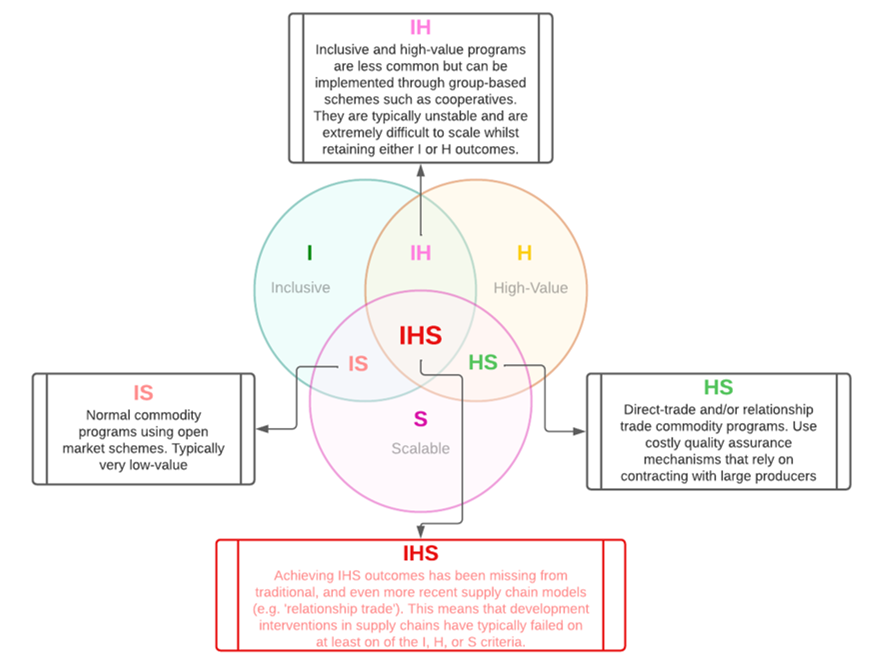
We don’t just say ‘ethically-sourced’ - we define what that is and lead research on ethical sourcing. Want to know more about our program? Head to the ‘learn’ page to see detailed information on what it means to be ‘ethical’ in coffee supply chains, design concepts for our program, and research ideas and innovation related to our program.
Ethically-sourced? Really?
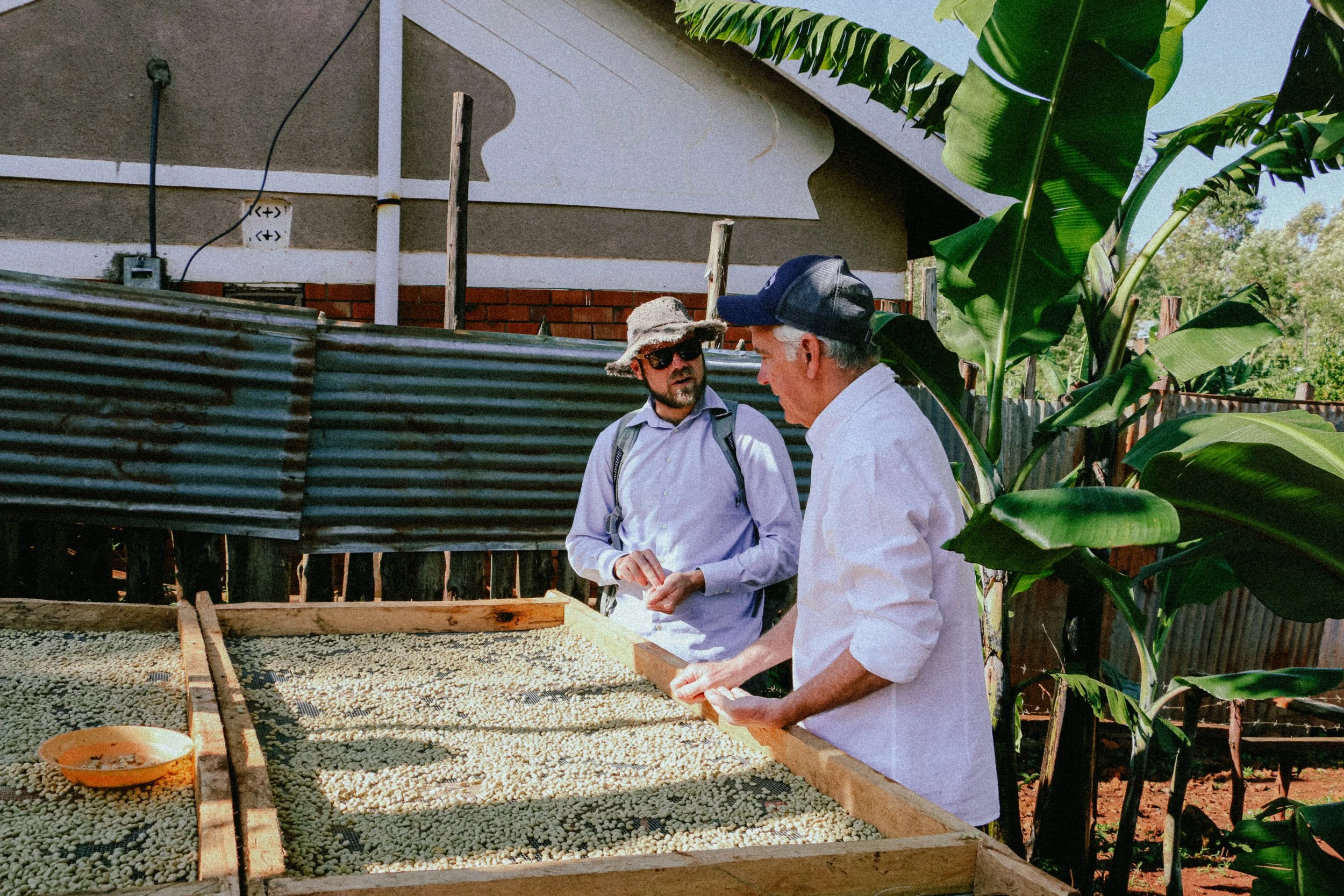
“Ethically sourced” is one of those phrases that gets thrown around a lot in coffee - but most of the time, it doesn’t mean what people think it does. Ethics isn’t just about paying a bit above market rate, or sticking with the same supplier year after year. It’s a system of principles built on logic and community standards- external rules for what’s fair (see here to learn about ‘ethics’ in coffee supply chains).
We actually know what it means to be ethical and we get our hands (and minds) dirty making sure our program is truly ethical (and thinking up innovations to further improve supply chain ethics globally). We’ve designed our supply chain from the ground up to be genuinely ethical, based on science and evidence. Targeting small producers, building capability locally, and creating contract mechanisms that share value more fairly is our jam. It’s the framework that shapes every decision we make, and the reason we can back our claims with data, not just nice stories or weak statements.
If you’ve made it this far, chances are you really care about the bigger picture. That matters. We encourage you to ask questions, be critical, and take the time to understand the impact behind everyday choices. The more we all hold the system to account, the better it gets for the people who grow, trade, and drink coffee.
When you see ‘ethically-sourced’ you should question your supplier. Ask them ‘how’. Being ‘good’ and ‘ethical’ doesn’t come from wishful thinking. It’s hard work and is always more complex than “we pay more and respect our suppliers” (which most think is sufficient). When you see these statements (or hear them) you can assume with a high level of certainty that that supplier doesn’t know what ethical sourcing really means.
Our supply chain
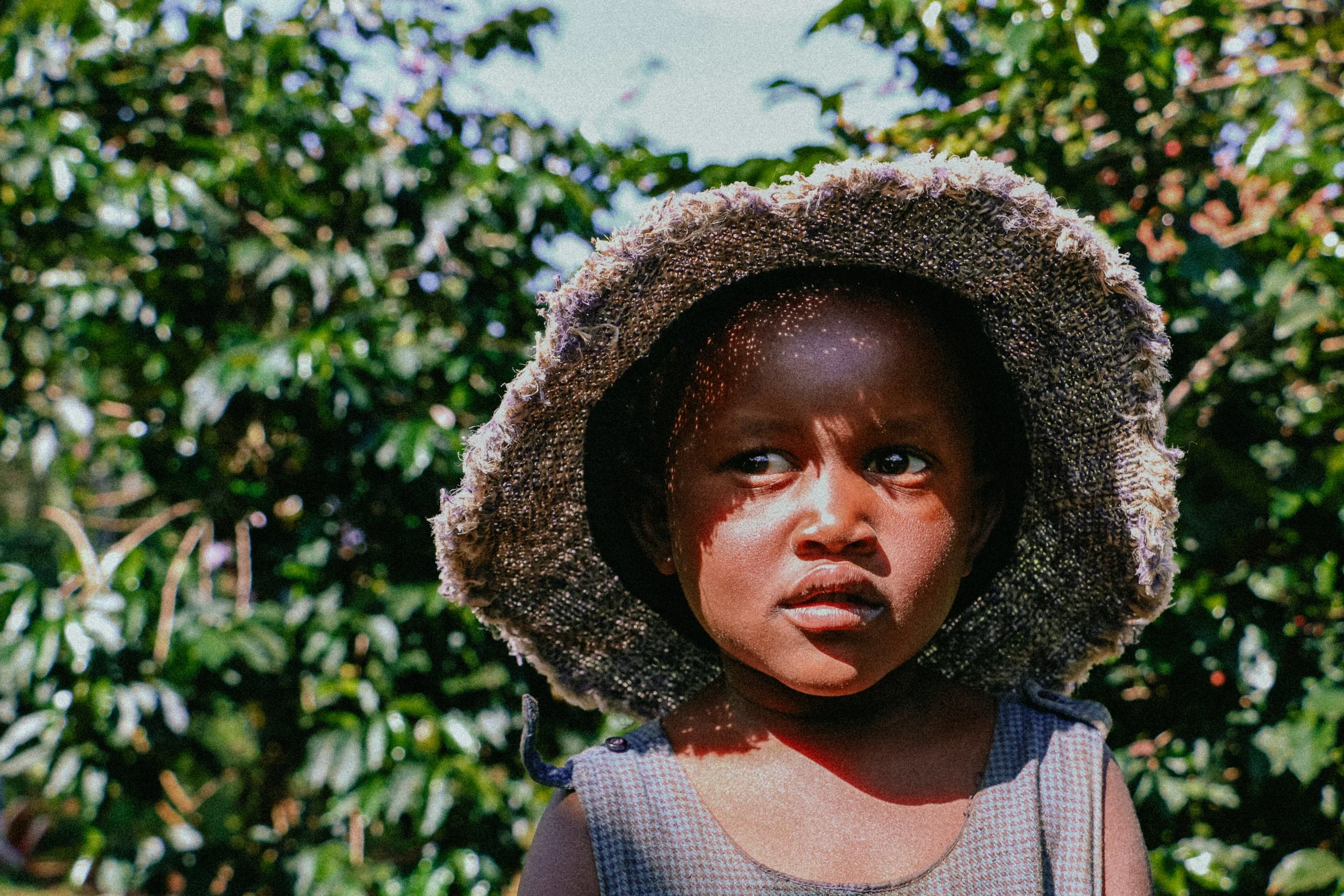
We are unique amongst speciality coffee roasters in that we operate an independent supply chain from source to cafe. In addition, this supply chain is built on our own research (some of which is published) on approaches that supply chains need to use to act as programs for social and economic development.
Key characteristics of our supply chain include:
Designed to be inclusive of smaller growers, women and youth at source (and measured to be so)
Working with non-profit cooperative groups at source in eastern Uganda to scale to a national level
We run the whole export/import process with assistance from small businesses in East Africa supporting the local economy
We roast locally here in Adelaide on a Loring roaster -considered the best for quality, consistency, and energy efficiency in the world
We run our own cafe that focuses on supporting community/social groups here in Adelaide to run community events
Sustainability
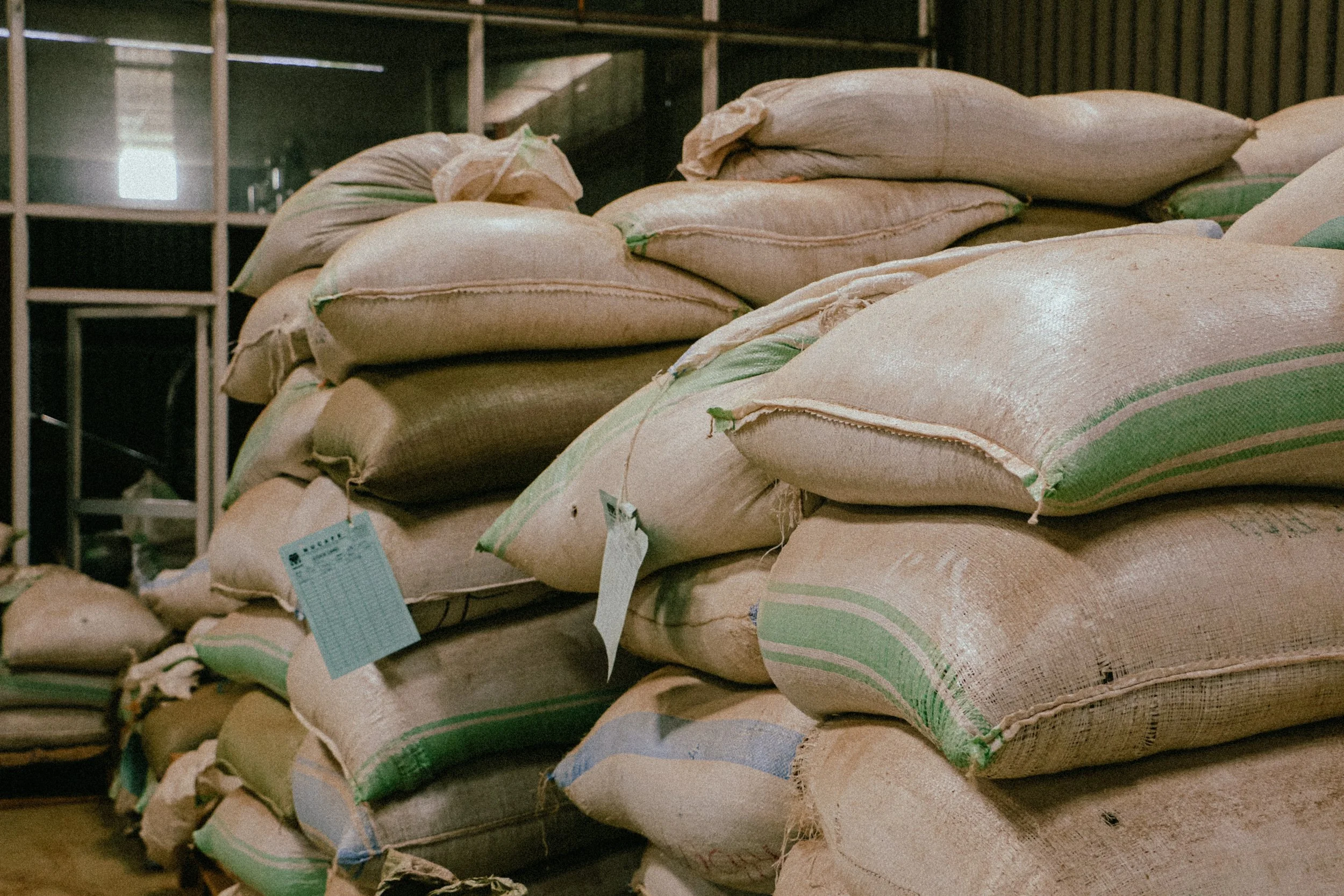
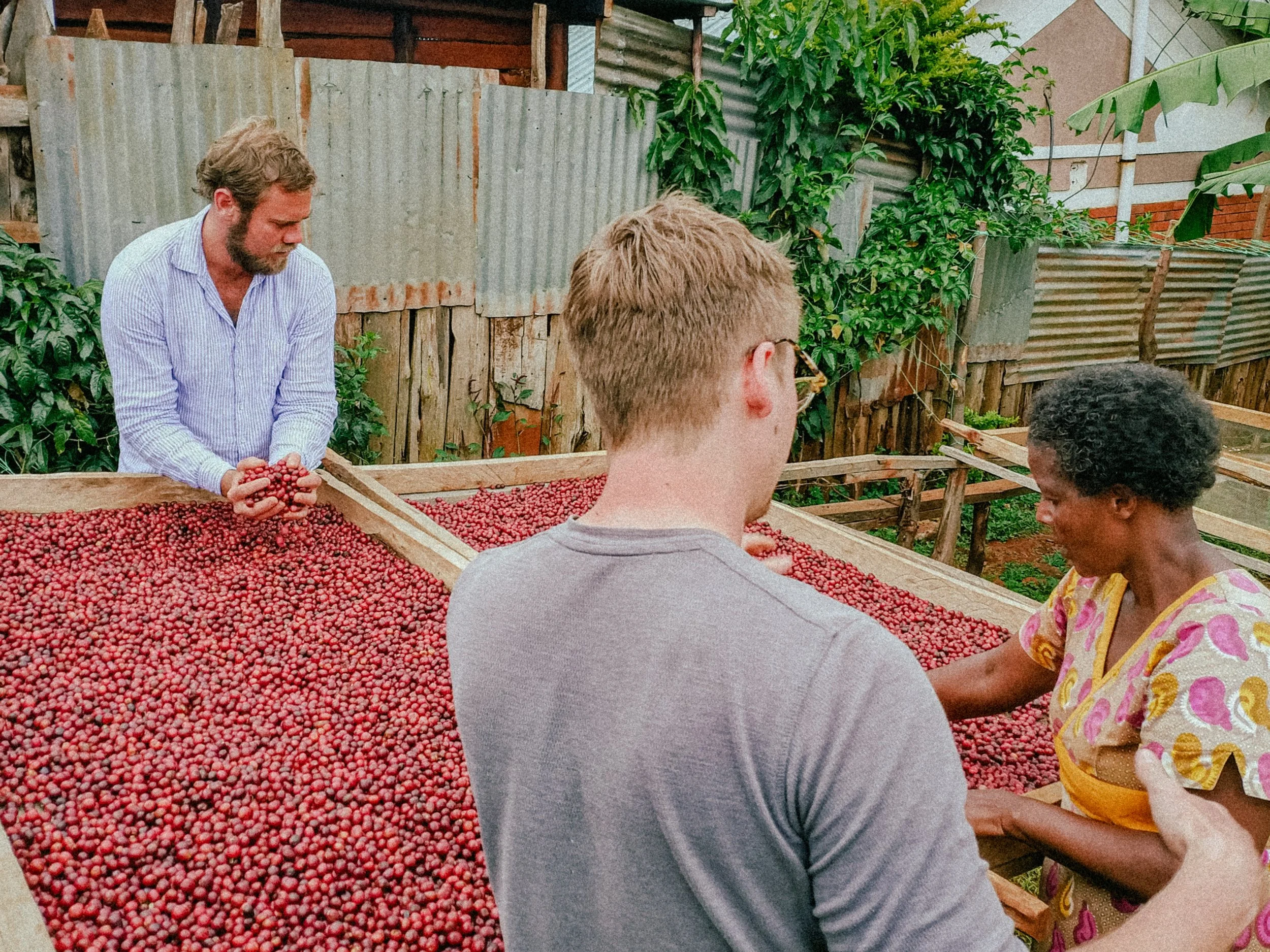
Much like our approach to ethical-sourcing, we view sustainability as an ongoing effort. We also view it as something that involves actions across our whole supply chain.
Some things we do currently:
Use fully recyclable bags and are in the process of moving to 100% home-recyclable bags in the near future.
Save organic waste from our cafe and share that with small local farms for composting.
Reduce our travel for green sourcing, instead focusing on building capacity locally in those regions. This also helps with growing our social/economic impacts in source areas
In the future we’re aiming to integrate environmental sustainability payments into our buying program, providing smallholders with more income and enhancing the natural environment in areas we source our coffee from. We’ll also be looking into more efficient energy sources for roasting and more sustainable distribution systems.
Tired of talk?
We’ll hook you up.